If You Keep Falling Into the Same Sin: Biblical Help for Singles
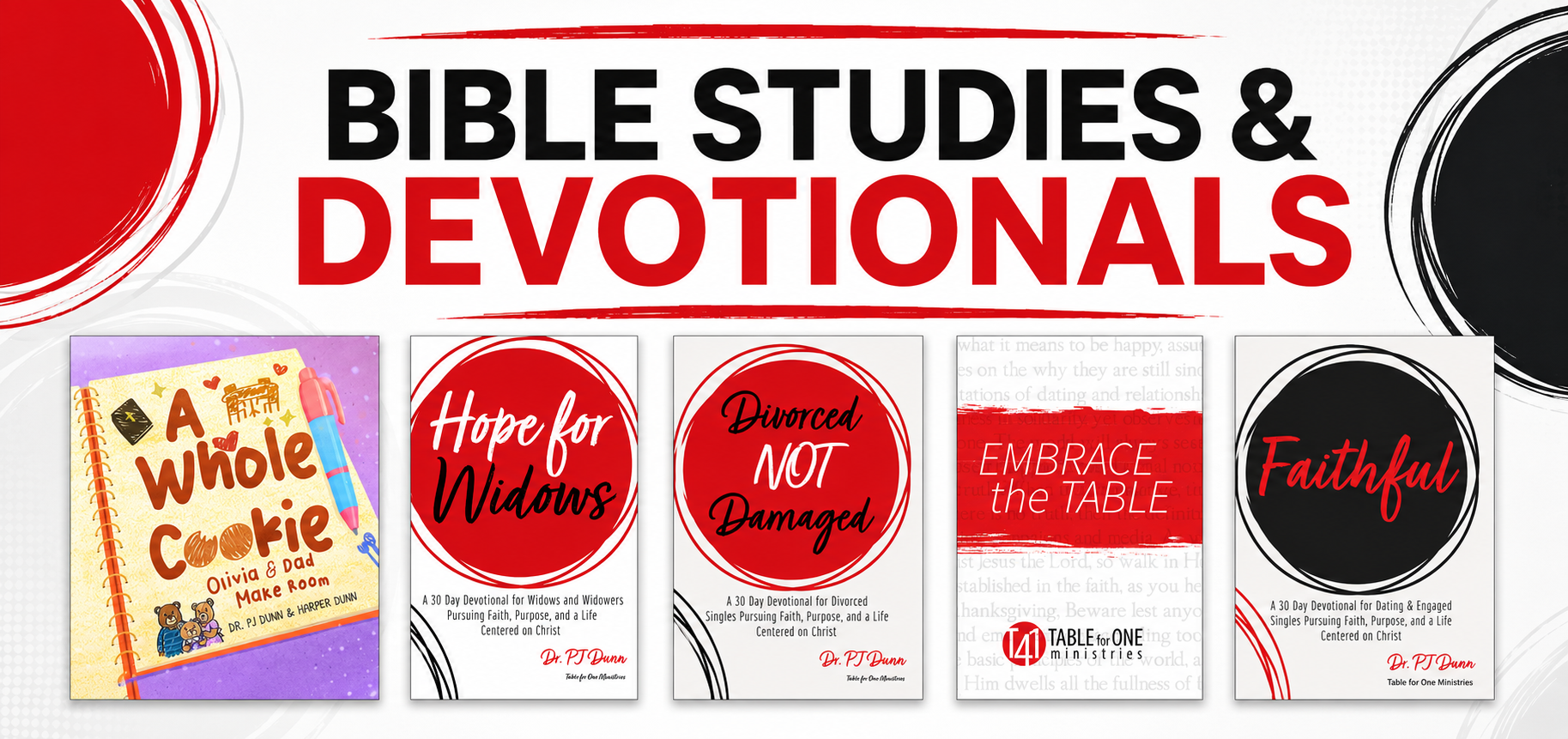
Table for One Ministries • July 6, 2026
  • Singles Bible Studies and Devotionals

    Slide title

    Learn More

    Button
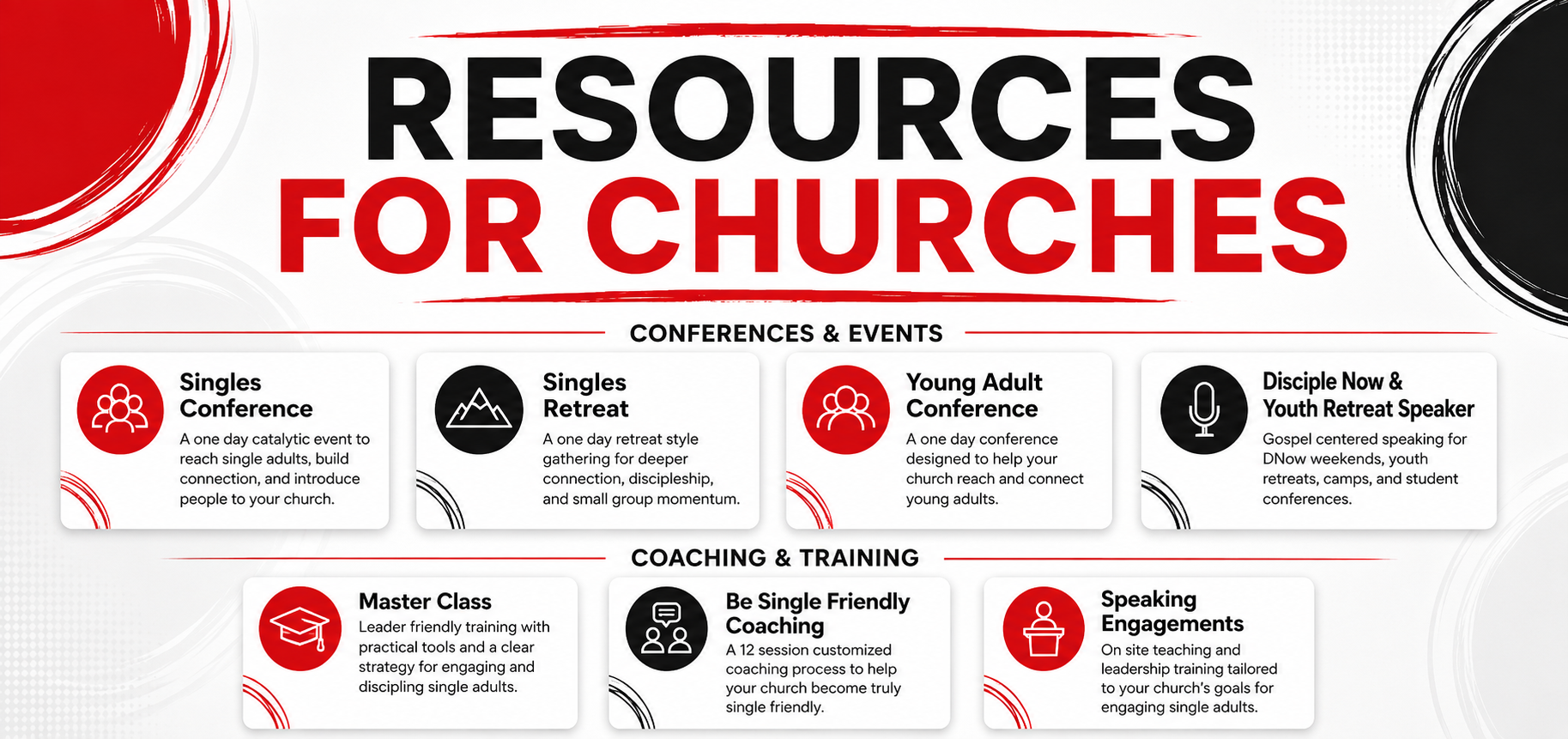
  • Resources for Churches

    Slide title

    Learn More

    Button
  • Singles Shop

    Slide title

    Write your caption here
    Button

When the same struggle keeps coming back

here is a particular kind of discouragement that comes when the sin is not new. It is familiar. You have confessed it before. You have prayed about it before. You have promised God that this time would be different. Then, before long, you find yourself back in the same place, saying the same things, grieving the same failure, and wondering why this battle feels so stubborn.


That is what makes repeated sin so exhausting. The struggle is not only with temptation itself. The struggle is also with the shame that follows. Many people do not just ask, “Why did I do that again?” They begin to ask deeper questions. “Am I really changing?” “Does God still want me?” “Is my repentance even real if I keep falling here?”


The video connected to this post speaks into that very place. It does not excuse sin, and it does not treat temptation lightly. But it also refuses to tell a discouraged believer that failure means abandonment. That matters, because some Christians are not looking for permission to sin. They are looking for hope that the grace of God still meets them in the middle of a real fight.


Singles often feel that fight in a different way. Not always, but often. The quiet apartment, the empty evening, the unstructured weekend, the loneliness after church, the lack of someone close enough to ask real questions, and the habit of carrying private burdens in private spaces can all create a setting where temptation becomes easier to entertain and harder to expose. That does not mean singles are spiritually weaker. It means many singles are fighting without the kind of built in daily accountability that some married adults assume everyone has.


Repeated sin does not mean God has left you

One of the enemy’s most effective lies is not the temptation itself. It is the interpretation that follows the fall. He wants you to believe that because the sin returned, the Lord has withdrawn. Because the battle is still there, your faith must not be real. Because you are weary, you must be spiritually defective.


Scripture does not speak that way. Romans 8:1 reminds us that “there is therefore now no condemnation for those who are in Christ Jesus.” That verse does not minimize sin. It magnifies Christ. The believer’s hope was never perfection before coming to Jesus. The believer’s hope is union with Jesus in the middle of an ongoing work of sanctification.


That does not mean sin is safe. It means grace is greater. There is a difference.


Too many believers live as if grace is only for conversion and not for the slow, humbling, daily work of becoming more like Christ. But the Lord is not surprised by your weakness. He is not shocked by the battle you keep naming. He is not trying to decide whether He will continue being patient with those He has redeemed. He knows how deep sin runs. He also knows how sufficient His mercy is. For that reason, the answer to repeated sin is not pretending the struggle is smaller than it is. The answer is running back to Christ more quickly, more honestly, and more humbly than before.


Singles often fight in quieter places

This is where the conversation needs to become more specific for single adults. In 2025, the U.S. Census Bureau reported 39.7 million one person households, accounting for 29% of all U.S. households. Census reporting also showed that in 2022, nearly 1 in 10 adults ages 18 to 34 lived alone. At the same time, the Surgeon General reported that approximately half of U.S. adults experience loneliness, with some of the highest rates among young adults, and CDC data from 26 states found loneliness was especially high among adults 18 to 34 and among those who had never married. That does not prove every single adult lacks accountability. It does show that many singles are navigating life, temptation, and emotional fatigue with less day to day relational support than people often assume.


That reality matters spiritually. Sin grows in secrecy. Temptation thrives where no one is close enough to interrupt the pattern. A phone can become a hiding place. A long evening can become a vulnerable hour. A painful memory can become a doorway. A private resentment can become a repeated indulgence. A lonely heart can begin to negotiate with what it would have once rejected.


This is one reason the church must become better at real community for singles. Not superficial friendliness. Not merely saying hello in the lobby. Not assuming that a Sunday handshake is enough to sustain someone through a Thursday night battle. Single adults need friendships with enough depth that confession is possible, prayer is normal, and truth can be spoken before temptation becomes collapse.


At Table for One Ministries, we recently wrote that overcoming temptation has to become “not an option.” That is not a call to legalism. It is a call to decisive obedience. It is the recognition that if something repeatedly pulls us away from Christ, we cannot keep treating it casually.


Repentance is more than feeling bad

One reason repeated sin becomes so discouraging is that many Christians confuse conviction with change. Feeling terrible is not the same thing as repenting. Shame can make us emotional, but only grace can lead us to turn.


Biblical repentance is not flawless performance. It is a real turning of the heart toward God. It is honesty without excuse. It is sorrow without self pity. It is confession without image management. It is not merely saying, “I hate how this makes me feel.” It is saying, “Lord, I agree with You about this, and I want to walk back toward You.”


That is why John 1:9 matters so deeply. We do not hide. We confess. We do not edit. We tell the truth. We do not negotiate with darkness. We bring it into the light. For singles, repentance also means naming the environments and rhythms that keep feeding the sin. The video is helpful here. If you keep falling in the same place, you need to ask what keeps placing you there. What time of day is hardest? What kind of fatigue lowers your resistance? What unhealed hurt keeps asking for relief? What media, conversation, account, habit, website, or relationship keeps opening the same door?


Repentance that never touches habits is often more emotional than practical. But repentance that is real will usually lead to concrete action. That may mean changing a routine, blocking access, leaving a setting, ending a conversation, telling a trusted friend, deleting an app, getting off the phone earlier, or refusing to linger where you know your heart gets weak. Jesus’ words in Matthew 5:29–30 are strong for a reason. Sin is not defeated by casual intention. It is resisted by serious obedience.


You need more than willpower

Many believers try to beat repeated sin with determination alone. They make a private promise, have a strong day, and call that progress. But temptation is not mainly overcome by intensity. It is overcome through dependence. That is why Jesus said, “watch and pray” in Matthew 26:41. Prayer is not the last step after every other method fails. Prayer is the confession that we are not strong enough on our own. It is the daily admission that holiness is not produced by self confidence.


Singles especially need to hear this, because living alone can create the illusion that the whole fight is private. It is not. The Christian life is personal, but it was never meant to be isolated. That is why James 5:16 tells us to confess our sins to one another and pray for one another. That is why Galatians 6:2 calls believers to bear one another’s burdens. That is why Hebrews 3:13 tells us to exhort one another daily so that we are not hardened by the deceitfulness of sin.


If you are single and serious about fighting repeated sin, you likely need to stop asking only, “How can I try harder?” and start asking, “Who actually knows me well enough to help me fight?” Accountability is not punishment. It is not spiritual surveillance. It is not shaming someone into behavior management. Christian accountability is loving honesty in the presence of grace. It is finding one or two trustworthy believers who can ask real questions, pray real prayers, and remind you that your struggle is not stronger than Christ.


Growth is often slower than we want, but not absent

The people who are most discouraged by repeated sin are often the very people who are taking sin seriously. They grieve it because they do love the Lord. They hate it because they do want to walk in holiness. The sorrow itself does not save them, but it often reveals that the Spirit of God is still at work, convicting, correcting, and drawing them back.


Growth is not always dramatic. Sometimes growth looks like confessing faster. Sometimes it looks like lingering less. Sometimes it looks like knowing your triggers sooner. Sometimes it looks like calling someone before the fall instead of after it. Sometimes it looks like a heart that is no longer comfortable with what it once excused.


Do not despise that kind of growth just because it feels smaller than you wanted. Singles need this reminder because loneliness can distort perspective. You can mistake a slow season for a hopeless one. You can confuse a real battle with a lost one. But sanctification is often slower than our timelines and deeper than our measurements. The Lord is not only interested in stopping one behavior. He is forming a person who trusts Him more fully.


That means the goal is not simply to avoid one visible failure. The goal is to become more honest, more dependent, more guarded, more prayerful, and more rooted in Christ than before. So if you fell again, do not stay there. Get up. Confess clearly. Turn back quickly. Tell someone mature enough to help you. Cut off what keeps feeding the pattern. Return to the Word. Return to prayer. Return to the church. Return to Christ.


Then, before you leave this conversation, go back and watch the video and read Not an Option: Overcoming Temptation again. Not because you need more content alone, but because you need truth repeated until it is stronger than the lie that says this fight will always own you.


FAQ: Fighting Sin as a Single Adult

Does repeated sin mean I am not saved?
Not automatically. Repeated sin should grieve us and lead us to repentance, but the presence of a battle is not the same thing as the absence of salvation. The question is not whether temptation exists. The question is whether you are continuing to turn back to Christ in repentance and faith.


What does true repentance look like when I fail again?
True repentance means telling the truth about your sin, turning back to God without excuse, and taking concrete steps to walk in a new direction. It is more than feeling bad. It is surrender that leads to action.


Why do singles need accountability so much?
Singles often carry spiritual struggles in more private spaces. Many live alone, spend more time alone, or lack close daily relational support. That makes honest Christian friendship and intentional accountability especially important.


What should I do today if I fell into the same sin again?
Confess it to God. Refuse to hide. Tell a trusted believer. Remove access to what fed the pattern. Reopen Scripture. Pray honestly. Do not wait until you feel strong again to return to Christ. Return now.


Can singles overcome temptation without getting married?
Yes. Marriage is not the cure for sin. Christ is. Marriage may change some circumstances, but it does not replace repentance, community, holiness, prayer, and obedience.


What Bible passages should I read when I keep falling?
Start with
Romans 8:1, 1 John 1:9, 1 Corinthians 10:13, James 5:16, and Matthew 26:41.

christian-christmas-gifts-for-single-adults
By Table for One Ministries • October 3, 2026
Find thoughtful Christian Christmas gifts for single adults, plus bulk devotional resources for churches serving singles in different seasons of life.
By Table for One Ministries • September 28, 2026
You remember a friend’s difficult appointment and send a message afterward. Someone from church notices your long week and brings dinner, while another person makes time to sit and listen. These ordinary moments help us understand that giving and receiving love already belong in a single adult’s life. When most conversations about love languages begin with a spouse or a dating relationship, however, it can be easy to miss how much they have to do with the people already around us.  The five love languages for singles are words of affirmation, quality time, receiving gifts, acts of service, and physical touch. Gary Chapman’s framework gives us a way to discuss how we express care and what helps us recognize it. Single adults can consider these ideas in friendships, family relationships, dating, and church community, with appropriate boundaries for each relationship. From a Christian perspective, their usefulness should lead us toward loving people more faithfully as we follow Jesus. Why the five love languages matter for singles A single adult may be building a career, raising children, caring for a parent, grieving a spouse, or enjoying a meaningful life without plans to marry. Each of those circumstances includes relationships that deserve attention. Someone who has never married does not need to wait for a wedding to learn how to encourage a friend or receive help. Someone rebuilding life after divorce still has opportunities to develop trust and participate fully in Christian community. The U.S. Census Bureau’s 2025 estimates put the median age at first marriage at 30.8 for men and 28.4 for women. Churches should take these years of adult life seriously, while remembering that singleness also includes people in later decades and people who have been married before. Our teaching about relationships needs room for the lives people are actually living. Friendship, hospitality, service, and spiritual growth matter throughout those lives, whatever the future holds. Chapman’s The 5 Love Languages Singles Edition applies the framework beyond marriage, including relationships with friends and family. That broader application is helpful because a single adult’s relationships have value in the present. A friendship does not need to become romantic to be meaningful. Learning to understand another person can become part of how we honor that person and take responsibility for our life together. A Christian perspective on love languages For Christians, love begins with God’s character and His gracious action toward us. First John 4:19 (ESV) says, “We love because he first loved us.” In the surrounding passage, John connects God’s love revealed through His Son with our responsibility to love one another. We respond to the love we have received in Christ by learning to care for real people, including people whose needs and preferences differ from ours. Jesus lived His earthly life unmarried, fully obedient to the Father and without any deficiency in His humanity. Marriage is a good gift, but it cannot serve as the church’s measure of spiritual maturity or usefulness. In Colossians 2:9–10 , Paul grounds the believer’s fullness in Christ, not in a relationship status. Being complete in Christ gives us a secure foundation for relationships while leaving room to acknowledge our need for friendship, encouragement, and community. We should also be careful about what we ask love languages to accomplish. A 2024 review by Emily Impett, Haeyoung Gideon Park, and Amy Muise found limited scientific support for the framework’s central claims, including the idea that matching a partner’s preferred language reliably produces greater relationship satisfaction. That research concerns romantic relationships; it does not establish an outcome for friendships or church ministry. I would use the categories to begin thoughtful conversations, while allowing Scripture to guide our understanding of love and paying attention to the whole person. All five love languages with examples for singles The official explanation of the five love languages identifies five familiar ways people communicate affection and care. The examples below apply those categories to everyday single adult life. As you read, consider both what you appreciate receiving and what someone close to you may need. You may recognize yourself in several categories, and another person may value a different response than the one you naturally offer. Words of affirmation Words of affirmation communicate care through sincere encouragement, appreciation, and acknowledgment. For single adults, that might mean a friend recognizing a difficult decision, a parent expressing gratitude, or a church leader naming someone’s faithful contribution. Specific words help us understand what another person has noticed. Telling a single parent that you saw their patience during a difficult evening communicates more than a general compliment offered in passing. Christian encouragement should be truthful and attentive to the person’s circumstances. Ephesians 4:29 directs believers toward speech that builds others up according to the need of the moment. A divorced friend may appreciate recognition of their steady obedience without another prediction about finding someone better. A never-married adult may need to hear that their wisdom and service already strengthen the church, without every compliment turning into a comment about their eligibility for marriage. If words of affirmation matter to you, explain that kindly to trusted people. You can tell a friend that their specific encouragement stayed with you during a difficult week. Then practice offering the same attentiveness to someone else. This week, name one quality you have actually observed and explain how it has encouraged you. Quality time Quality time communicates care through focused attention and shared presence. For singles, it can look like an unhurried conversation after church, a regular walk, or a meal where phones stay put away. The activity creates room to know one another more deeply. Listening to what someone says, remembering it, and returning to the conversation later can help a friendship grow beyond exchanging updates. Availability will look different across relationships and seasons. A single parent may have a short window between responsibilities, while an older adult may prefer a daytime visit to an evening gathering. Ask what is realistic and make a plan both people can keep. Friendship becomes more dependable when we respect one another’s work, rest, family responsibilities, and need for personal space. If you appreciate quality time, a clear invitation gives another person something concrete to consider. Suggest lunch next Sunday or a phone call during a mutually convenient time. Allow room for a different suggestion or a gracious decline. Consistent attention can grow through ordinary routines without making constant access to another person the measure of their love. Receiving gifts Receiving gifts describes the significance of a thoughtful, tangible expression of care. The value may come from what the gift communicates about being remembered. A favorite snack, a book connected to a recent conversation, or a small item celebrating an accomplishment can carry that meaning. A useful question is whether the gift reflects something you know about the person receiving it. Single adults have milestones worth celebrating throughout their lives. Completing a certification, moving into a new home, recovering from a difficult season, or reaching a meaningful birthday can give friends an opportunity to pay attention. Churches can also celebrate faithful service and personal growth across different life circumstances. These occasions help us recognize people whose celebrations may receive less attention than weddings and baby showers. Keep gifts appropriate to your budget and to the relationship. An expensive gift may create discomfort, particularly when romantic intentions are uncertain. Give with the freedom to receive a simple thank-you, without expecting affection, access, or repayment. Thoughtfulness remains possible when money is limited, especially when you have taken time to learn what someone values. Acts of service Acts of service communicate care through practical help that responds to an actual need. A ride when a car is being repaired, help carrying furniture, or a meal during a demanding week can make a meaningful difference. Single adults may be managing many responsibilities without another adult in the home, though their circumstances vary widely. Asking before acting helps us offer assistance that is useful and welcome. For a single parent, practical support might involve an agreed grocery pickup or help from a trusted caregiver. For someone grieving a spouse, it might mean assistance with a household task their spouse once handled. Offer a specific possibility, then listen to the response. That approach gives the person room to accept, suggest something different, or decline without embarrassment. In Galatians 6:2 , Paul calls believers to help carry one another’s burdens as an expression of life under Christ. Receiving appropriate help can therefore be part of participating in the body of Christ. You do not have to repay every kindness immediately to remain someone’s equal. As circumstances allow, you can also bring your own gifts and abilities to the needs of others. Physical touch Physical touch refers to appropriate, welcomed contact that can communicate affection or support. For singles, this might include a hug from a trusted friend, holding a family member’s hand during grief, or a celebratory high-five. Some people find these expressions meaningful, while others prefer more personal space. The relationship, setting, and other person’s comfort all matter. Ask before initiating touch when you are unsure, and accept the answer without pressure. A person’s history, culture, preferences, or present circumstances may influence what feels welcome. Church members should have the freedom to choose a handshake, a verbal greeting, or no physical contact. Respecting that choice is itself an expression of care. A preference for physical touch does not create a claim on someone else’s body. For Christian singles who are dating, affection also needs to honor biblical sexual ethics and the conviction that sexual intimacy belongs within marriage. Honest conversations about boundaries belong alongside conversations about affection. You can acknowledge a desire for closeness while making choices that honor Christ and the dignity of another person. How to discover your love language while single You can explore your love language without being in a dating relationship. Begin by remembering occasions when a friend or family member helped you feel understood and cared for. Consider what happened and why it mattered. Then ask whether you tend to express care in the same way or whether your habits of giving differ from what you appreciate receiving. If you want a guided starting point, use the official love language quiz . Treat the result as a prompt for reflection and conversation. It cannot tell you everything about your needs, and it should not become a test that everyone around you must pass. Continue learning through honest relationships, especially when your circumstances change. It also helps to describe what would be useful in a particular moment. You might explain that you would appreciate someone listening before offering advice, or that a ride would help more than another encouraging message that day. Ask the other person what would serve them as well. Mutual understanding grows when both people have room to speak and neither is expected to read the other’s mind. Be a friend worth having this week At Table for One Ministries, we encourage people to be a friend worth having . That begins with noticing the people God has placed in our lives and taking responsibility for how we treat them. Love languages can help us consider a practical response, but Christian friendship also requires honesty, patience, forgiveness, and faithfulness over time. First Corinthians 13:4–7 gives us a picture of love that reaches into our character and conduct. Choose one person this week and ask what would help them feel supported. Listen carefully enough to discover whether they need encouragement, time, practical assistance, or something you had not considered. Offer a response you can actually follow through on, and leave room for them to receive it freely. If you need care yourself, consider one trusted person with whom you can speak honestly. Church leaders can practice this same attentiveness by inviting single adults into ordinary life and listening to their perspectives. Include them in meals, meaningful responsibilities, and conversations about the church’s future. Notice their gifts and ask about their lives without making marital status the center of every conversation. A congregation grows in love when its members know one another well enough to care with understanding. If you want to explore Chapman’s framework further, The 5 Love Languages Singles Edition is available on Amazon . Read it alongside Scripture and discuss its ideas with people who know you well. Your next faithful step may be a conversation with a friend, a request for help, or a practical act of service. You can trust Christ, know Christ, and reflect Christ in the relationships before you today.
Singles Ministry Co-Leaders: Choosing Well, Handling Conflict
By Table for One Ministries • September 22, 2026
Learn how to choose singles ministry co-leaders, set clear small group expectations, resolve conflict biblically, and keep discipleship at the center of ministry.
Christian support for loneliness after losing a spouse.
By Table for One Ministries • August 28, 2026
Learn how Christian widows and widowers can deal with loneliness after losing a spouse through prayer, community, support, and hope.
 Bible says about widows and God’s care for widowhood.
By Table for One Ministries • August 28, 2026
Explore what the Bible says about widows, God’s care, church support, Psalm 68:5, James 1:27, and biblical hope in widowhood.
Open Bible beside a quiet window representing Christian hope after losing a spouse for widows and wi
By Table for One Ministries • August 21, 2026
Find Christian hope after losing a spouse with biblical comfort, grief support, Scripture, and encouragement for widows and widowers.
Young adults gathered in biblical community as a church helps them apply biblical principles to AI
By Table for One Ministries • August 17, 2026
Churches can help young adults use AI with biblical wisdom, resist artificial intimacy, and build real discipleship in biblical community for today's world.
Christian single adult considering dating after divorce with wisdom, healing, and faith.
By Table for One Ministries • August 10, 2026
Dating after divorce requires wisdom, healing, community, and clear faith. Learn how Christian singles can move slowly and stay complete in Christ today wisely.
Divorced adult finding Christian hope through Scripture, prayer, and journaling after divorce.
By Table for One Ministries • August 3, 2026
Life after divorce can feel uncertain and painful. Find Christian hope, identity, purpose, and community as you rebuild complete in Christ after divorce now.
Christian healing after divorce through prayer, grief, Scripture, and trusted support.
By Table for One Ministries • July 27, 2026
Healing after divorce takes honest grief, biblical comfort, wise support, and community. Learn how Christ restores identity beyond shame, loss, and pain today.