Healing After Divorce: Grieving Without Wearing Shame

Divorce often brings more than one wound
Healing after divorce is not the same as acting like the divorce did not matter. It is not spiritual maturity to rush past grief, and it is not faithfulness to pretend that betrayal, disappointment, regret, or loss never touched your heart. Healing after divorce begins when a person can tell the truth about what happened while still believing that God has not left.
Divorce often brings more than one wound. There may be grief over the marriage itself. There may be grief over children, finances, reputation, family traditions, church relationships, and dreams that no longer feel possible. Some people grieve the pain they caused. Some grieve the pain they endured. Some grieve both at the same time.
Christian healing is not denial. It is bringing the whole story into the presence of the whole Christ. The Father of mercies does not comfort only the neat parts of your life. He meets you in affliction and teaches you to receive comfort that can one day comfort others.
Healing Begins With Honest Grief
Second Corinthians 1:3 to 4 describes God as the Father of mercies and God of all comfort. That phrase matters after divorce because many people are tempted to believe that comfort must wait until they are stronger, cleaner, or less emotional. Scripture moves in the other direction. God comes near in affliction. He comforts His people in the place where they ache.
High ranking divorce recovery resources such as HelpGuide recognize that the end of a marriage can involve grief similar to other deep losses. That observation should not surprise Christians. Marriage was designed by God to be a covenant, not a casual arrangement. When a marriage breaks, something weighty has broken. The church should not make light of that. We should help people grieve with hope.
Grief after divorce may show up as sadness, anger, numbness, exhaustion, fear, or even relief. Relief can be especially confusing for Christians who endured unhealthy or unsafe patterns. A person may know the divorce was necessary and still grieve. A person may believe God is faithful and still weep. Those realities do not contradict each other.
Shame Is a Poor Shepherd
Many divorced adults carry shame that is heavier than the facts of their story. Sometimes shame comes from personal sin. Sometimes it comes from being sinned against. Sometimes it comes from church culture, family systems, gossip, or the haunting sense that everyone else is silently measuring the divorce. Shame takes a painful event and turns it into a false identity.
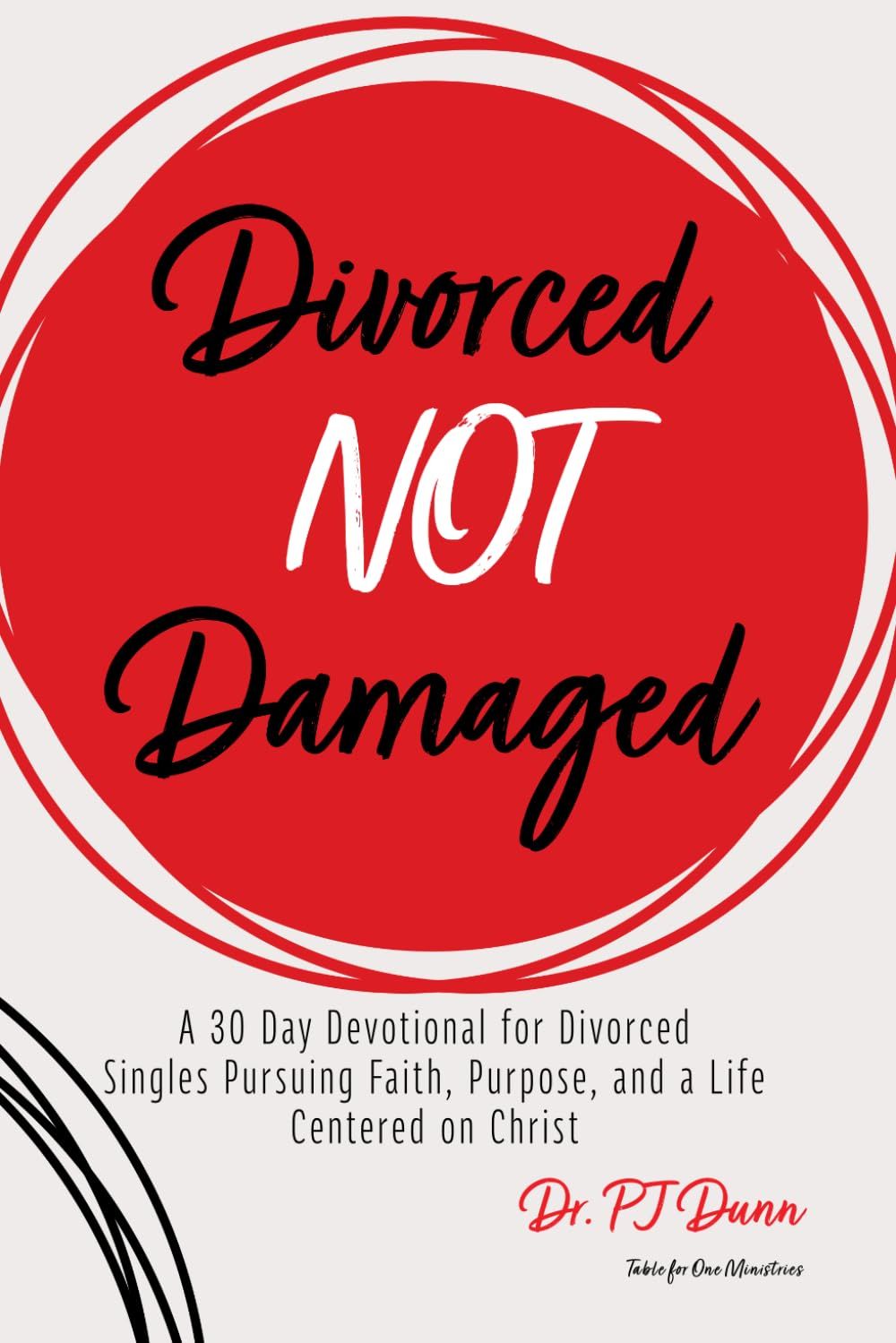
The message of Divorced Not Damaged matters here because it names something divorced adults often feel but rarely say. Many feel as if they wear a scarlet letter. They walk into church wondering whether people see a person or a problem. They wonder if they are still trusted, still welcomed, still usable, still loved. The gospel answers with clarity. In Christ, condemnation does not get the final word.
John 8:10 to 11 shows Jesus speaking to a woman others were ready to condemn. He does not pretend sin is harmless, but He refuses to let a crowd define her future. This is the pastoral balance divorced adults need. We do not heal by minimizing truth. We heal by bringing truth under the lordship and mercy of Jesus.
Forgiveness Does Not Mean Unsafe Access
One of the most misunderstood parts of healing after divorce is forgiveness. Christians know we are called to forgive, but some have been taught to confuse forgiveness with immediate trust, restored access, or the removal of wise boundaries. That confusion can be spiritually dangerous.
Forgiveness is obedience to God. It is releasing vengeance to Him. It is refusing to let bitterness become the permanent landlord of your soul. But forgiveness does not require pretending someone is safe when they are not. It does not require returning to manipulative patterns. It does not require ignoring legal, parental, or counseling wisdom.
Romans 12:18 says, “If possible, so far as it depends on you, live peaceably with all.” Those words are both hopeful and honest. “If possible” recognizes that peace is not always fully in your control. “So far as it depends on you” calls you to personal faithfulness without making you responsible for another person’s repentance.
Healing Needs People, Not Just Time
Time can create distance, but time alone does not always create healing. Some wounds grow quiet without becoming whole. Healing after divorce usually needs truth, wise community, and sometimes professional counseling. It also needs spiritual practices that reshape what pain has distorted.
DivorceCare has helped many people find support groups for the hurt of separation and divorce. That kind of structured community can be a gift because divorce often isolates people. Friends do not always know what to say. Families may take sides. Churches may unintentionally step back. A group where others understand the ache can help a person feel less alone.
The U.S. Surgeon General has reported that social connection deeply affects health and well being. Christians have a theological reason to care about this. God made people for relationship with Him and with one another. The body of Christ is a family where burdens are carried, prayers are spoken, meals are shared, and wounded people are helped back to steadiness.
Let Scripture Rebuild Your Inner Voice
After divorce, your inner voice may become cruel. It may replay your failures. It may compare your life to couples around you. It may ask whether God is disappointed every time you feel weak. That voice must be discipled.
Isaiah 43:18 to 19 does not tell God’s people to deny the past. It calls them not to be mastered by it. God says He is doing a new thing and making a way in the wilderness. That is not a promise that every desire will be fulfilled quickly. It is a promise that wilderness is not beyond God’s ability to lead.
Replace accusation with truth. “I am ruined” can become “I am being restored.” “I am alone” can become “Christ is with me, and I will seek faithful community.” “I am damaged” can become “I have been wounded, but I am not outside the healing grace of God.”
A Devotional Step Toward Healing
Healing after divorce is usually daily before it is dramatic. It is a prayer in the morning. It is an honest journal entry. It is worship when your emotions lag behind your obedience. It is choosing community when isolation feels easier. It is letting Christ speak louder than shame.
That is why
Divorced Not Damaged was written as a 30 day devotional for divorced singles pursuing faith, purpose, and a life centered on Christ. It gives divorced adults a daily way to process grief, remember identity, and take one more faithful step. If you are walking through this season, the
Divorced Not Damaged devotional can help you slow down, breathe, and hear again that you are
complete in Christ.
Frequently Asked Questions
How long does healing after divorce take?
Healing after divorce has no single timeline. Many people need months or years to process grief, rebuild trust, and regain stability. The goal is faithful healing, not rushed recovery.
Is feeling shame after divorce normal?
Yes, many divorced adults feel shame. But shame should not become your identity. In Christ, you can confess sin, receive grace, and reject labels God has not placed on you.
Does forgiveness after divorce mean reconciliation?
No. Forgiveness and reconciliation are not the same. Forgiveness is obedience before God. Reconciliation requires safety, truth, repentance, and rebuilt trust.
What devotional helps with healing after divorce?
Divorced Not Damaged is a 30 day devotional designed to help divorced Christians pursue healing, purpose, faith, and life centered on Christ.