PJ Dunn Named Senior Consultant for Church Revitalization

Table for One Ministries • February 23, 2026
  • Singles Bible Studies and Devotionals

    Slide title

    Learn More

    Button
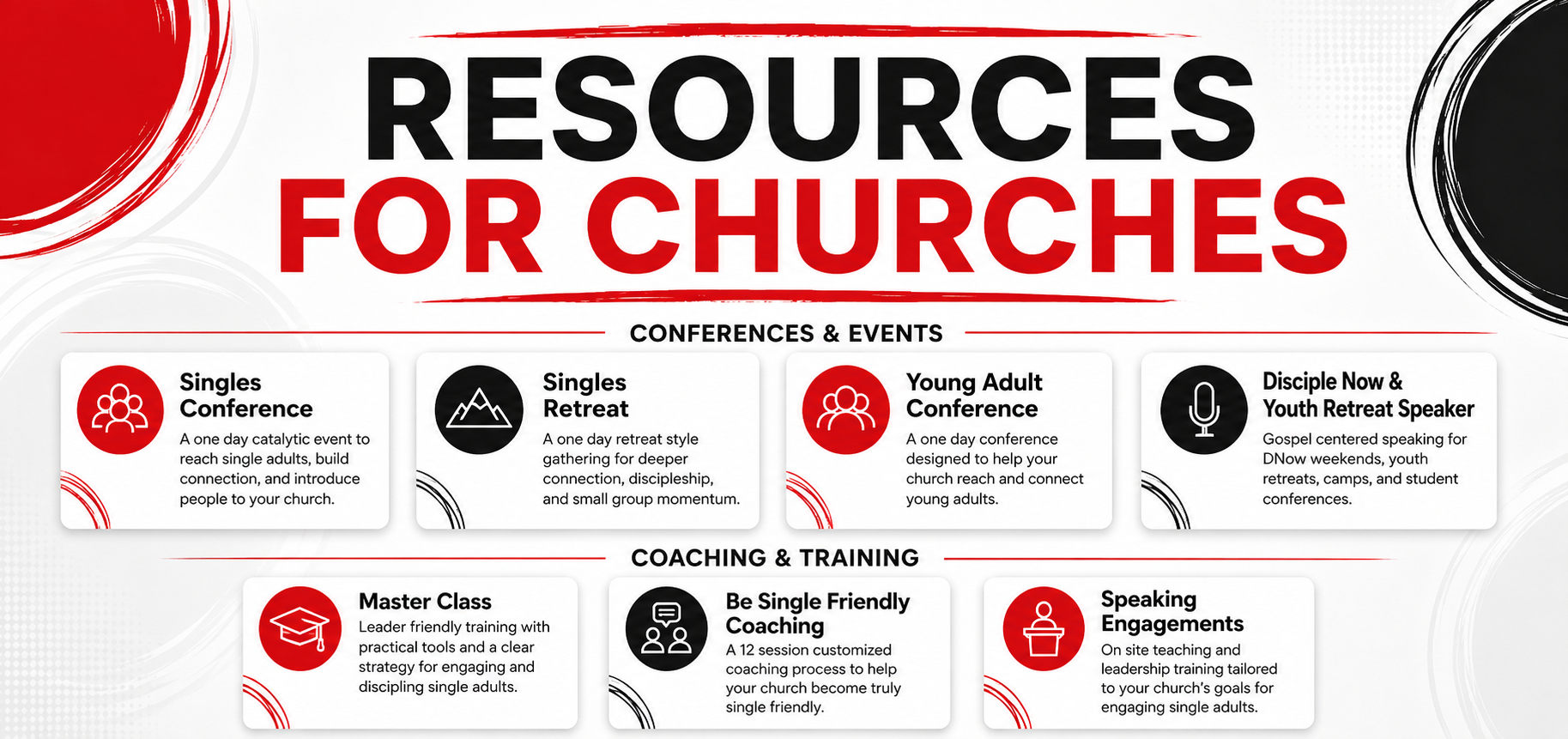
  • Resources for Churches

    Slide title

    Learn More

    Button
  • Singles Shop

    Slide title

    Write your caption here
    Button

Georgia Baptist Mission Board Names Dr. PJ Dunn Senior Consultant for Church Revitalization
ATLANTA — The Georgia Baptist Mission Board has named Dr. PJ Dunn as Senior Consultant for Church Revitalization, expanding the network of leaders equipped to help churches experience renewal and long-term health across the state.


This appointment reflects both a growing need and a growing opportunity. Churches across Georgia and beyond are facing complex ministry challenges, from shifting attendance patterns to leadership development gaps to discipleship clarity. The Georgia Baptist Mission Board exists to serve churches and advance the gospel, and Dunn’s new role is designed to help congregations take intentional steps toward revitalization.


“Revitalization is not a verdict; it is an invitation,” Dunn often says. “It is an invitation to return to first love, to clarify mission, and to build a culture of disciple making that reaches people where they are.”


A Pastor-First, Church-Focused Approach

Dunn has served with the Georgia Baptist Mission Board since 2020, previously as Church Strengthening Strategist and Discipleship Consultant. In his new role, he will continue equipping pastors and church leaders through the ReFocus revitalization framework, leadership coaching, assessments, and practical ministry tools.


His approach is relational, data informed, and biblically grounded. Churches are guided through a structured pathway that includes Discovery, Convergence, Pyramid, Path, Ladder, and Toolkit implementation phases. The focus is not simply structural change, but cultural transformation rooted in disciple making.


Across Georgia, Dunn has helped churches clarify vision, strengthen leadership pipelines, and develop intentional discipleship strategies that move beyond programs to people. His conviction is simple but powerful: people are the mission field.


A Lifelong Commitment to Single Adults and Disciple Making


While his revitalization role is expanding, Dunn’s passion for single adults remains central to his ministry calling. He founded Table for One Ministries in 2013 with a clear mission: build authentic biblical community for single adults and equip churches to disciple them effectively.


For more than two decades, Dunn has mentored, led, and discipled single adults across the United States. His doctoral research focused specifically on profiling American single adults to help churches create sustainable ministry strategies. That research culminated in his dissertation, Researching and Profiling American Single Adults to Create a Ministry Launch Guide for American Churches, published through New Orleans Baptist Theological Seminary.

.

His emphasis has always been clear: single adults are not a demographic to be managed but disciples to be developed. Through Table for One Ministries, Dunn has provided churches with practical tools such as:


Several of these works are currently available for purchase, including:


These resources continue to equip churches nationally in building disciple making cultures among singles and young adults.


Educational and Ministerial Credentials

Dr. Paul Winston Dunn Jr. was born in Cincinnati, Ohio, and sensed a call to ministry early in life. He was licensed to preach in 2006 at Shandon Baptist Church in Columbia, South Carolina, and ordained in 2016 at Wedgwood Baptist Church in Fort Worth, Texas


He holds:


Beyond academic preparation, Dunn brings more than 20 years of ministry experience. He has served in local churches in Ohio, South Carolina, Tennessee, and Texas in roles including College and Career Minister, Singles Minister, Connections Pastor, and IT and Serve Minister. He currently serves as:


This combination of academic rigor, local church leadership, denominational service, and publishing experience uniquely positions Dunn to serve Georgia churches in this expanded capacity.


Why Church Revitalization Matters Now

Across the Southern Baptist Convention and beyond, churches are facing declining membership trends, generational shifts, and cultural pressures. Yet Dunn believes this is not a season for discouragement but for clarity. “Renewal is not about returning to a decade,” he notes. “It is about returning to obedience.”


The Corpus Vitae revitalization philosophy integrates evangelism, leadership multiplication, and discipleship pathways. Churches are encouraged to evaluate not only attendance metrics but spiritual health indicators such as group engagement, leadership development, community presence, and disciple making effectiveness. His framework emphasizes:

  • Vision clarity
  • Leadership alignment
  • Defined discipleship pathways
  • Missional engagement
  • Cultural health over program accumulation


This same heartbeat that has driven his singles ministry work now fuels his revitalization strategy statewide.


A Unified Vision: Discipleship Culture for Every Stage of Life

What ties Dunn’s singles ministry passion and revitalization leadership together is a consistent theme: disciple making culture.

Whether guiding a church through structural renewal or equipping leaders to minister to unmarried adults, Dunn’s focus remains on building authentic biblical community where individuals grow complete in Christ.


Single adults, young professionals, widows, divorced adults, and never married individuals often represent a significant percentage of a church’s community. Dunn has consistently challenged churches to see singles not as a side ministry but as integral to the Great Commission mandate.


In revitalization contexts, that means:

  • Creating welcoming environments for every life stage
  • Building leadership pipelines that include singles
  • Developing intentional relational discipleship structures
  • Removing unspoken barriers to belonging


“Healthy churches make room at the table,” Dunn says. “They do not segment people out of the mission.”


Looking Ahead

In his expanded role as Senior Consultant for Church Revitalization, Dunn will continue partnering with pastors across Georgia to implement the ReFocus process, coach leaders, and provide strategic assessments. At the same time, he remains deeply engaged in writing, mentoring, teaching, and equipping churches nationwide through Table for One Ministries.


Dr. Dunn resides in Georgia with his wife, Christina, and their daughter, Harper. His ministry is marked by a relational, gospel centered focus that seeks to help people live complete in Christ and connect deeply in biblical community.


Churches or leaders seeking revitalization guidance or discipleship resources may contact the Georgia Baptist Mission Board or explore Dunn’s available books and resources through his Amazon author page

About Dr. PJ Dunn

Dr. PJ Dunn serves as Senior Consultant for Church Revitalization with the Georgia Baptist Mission Board. He is founder of Table for One Ministries and an advocate for disciple making among single adults and young adults. He holds a Doctor of Educational Ministry degree from New Orleans Baptist Theological Seminary and serves as an adjunct professor and curriculum writer for Lifeway.


What Is PJ Dunn Known For?

PJ Dunn is known for:

  • Church revitalization leadership in Georgia
  • Building disciple making cultures
  • Singles ministry strategy and research
  • Table for One Ministries
  • Writing and publishing discipleship resources


Books by PJ Dunn

  • Disciple-making Single Adults, Indispensable
  • Embrace the Table
  • Reaching Your Harvest Field: Young Adults
  • Giants, Kings, and Psalms (Collaborator)


Full author page:
https://www.amazon.com/stores/Dr.-PJ-Dunn/author/B0CKZBZQXL

Christmas outreach ideas for churches
By Table for One Ministries • November 2, 2026
Discover Christmas outreach ideas to reach young adults in 2026. Practical strategies for churches to build belonging during the holiday season.
christian-dating-standards
By Table for One Ministries • October 27, 2026
Explore Christian dating standards, healthy boundaries, and biblical wisdom for recognizing character while living fully as a single adult who is complete in Christ.
christian-christmas-gifts-for-single-adults
By Table for One Ministries • October 3, 2026
Find thoughtful Christian Christmas gifts for single adults, plus bulk devotional resources for churches serving singles in different seasons of life.
By Table for One Ministries • September 28, 2026
You remember a friend’s difficult appointment and send a message afterward. Someone from church notices your long week and brings dinner, while another person makes time to sit and listen. These ordinary moments help us understand that giving and receiving love already belong in a single adult’s life. When most conversations about love languages begin with a spouse or a dating relationship, however, it can be easy to miss how much they have to do with the people already around us.  The five love languages for singles are words of affirmation, quality time, receiving gifts, acts of service, and physical touch. Gary Chapman’s framework gives us a way to discuss how we express care and what helps us recognize it. Single adults can consider these ideas in friendships, family relationships, dating, and church community, with appropriate boundaries for each relationship. From a Christian perspective, their usefulness should lead us toward loving people more faithfully as we follow Jesus. Why the five love languages matter for singles A single adult may be building a career, raising children, caring for a parent, grieving a spouse, or enjoying a meaningful life without plans to marry. Each of those circumstances includes relationships that deserve attention. Someone who has never married does not need to wait for a wedding to learn how to encourage a friend or receive help. Someone rebuilding life after divorce still has opportunities to develop trust and participate fully in Christian community. The U.S. Census Bureau’s 2025 estimates put the median age at first marriage at 30.8 for men and 28.4 for women. Churches should take these years of adult life seriously, while remembering that singleness also includes people in later decades and people who have been married before. Our teaching about relationships needs room for the lives people are actually living. Friendship, hospitality, service, and spiritual growth matter throughout those lives, whatever the future holds. Chapman’s The 5 Love Languages Singles Edition applies the framework beyond marriage, including relationships with friends and family. That broader application is helpful because a single adult’s relationships have value in the present. A friendship does not need to become romantic to be meaningful. Learning to understand another person can become part of how we honor that person and take responsibility for our life together. A Christian perspective on love languages For Christians, love begins with God’s character and His gracious action toward us. First John 4:19 (ESV) says, “We love because he first loved us.” In the surrounding passage, John connects God’s love revealed through His Son with our responsibility to love one another. We respond to the love we have received in Christ by learning to care for real people, including people whose needs and preferences differ from ours. Jesus lived His earthly life unmarried, fully obedient to the Father and without any deficiency in His humanity. Marriage is a good gift, but it cannot serve as the church’s measure of spiritual maturity or usefulness. In Colossians 2:9–10 , Paul grounds the believer’s fullness in Christ, not in a relationship status. Being complete in Christ gives us a secure foundation for relationships while leaving room to acknowledge our need for friendship, encouragement, and community. We should also be careful about what we ask love languages to accomplish. A 2024 review by Emily Impett, Haeyoung Gideon Park, and Amy Muise found limited scientific support for the framework’s central claims, including the idea that matching a partner’s preferred language reliably produces greater relationship satisfaction. That research concerns romantic relationships; it does not establish an outcome for friendships or church ministry. I would use the categories to begin thoughtful conversations, while allowing Scripture to guide our understanding of love and paying attention to the whole person. All five love languages with examples for singles The official explanation of the five love languages identifies five familiar ways people communicate affection and care. The examples below apply those categories to everyday single adult life. As you read, consider both what you appreciate receiving and what someone close to you may need. You may recognize yourself in several categories, and another person may value a different response than the one you naturally offer. Words of affirmation Words of affirmation communicate care through sincere encouragement, appreciation, and acknowledgment. For single adults, that might mean a friend recognizing a difficult decision, a parent expressing gratitude, or a church leader naming someone’s faithful contribution. Specific words help us understand what another person has noticed. Telling a single parent that you saw their patience during a difficult evening communicates more than a general compliment offered in passing. Christian encouragement should be truthful and attentive to the person’s circumstances. Ephesians 4:29 directs believers toward speech that builds others up according to the need of the moment. A divorced friend may appreciate recognition of their steady obedience without another prediction about finding someone better. A never-married adult may need to hear that their wisdom and service already strengthen the church, without every compliment turning into a comment about their eligibility for marriage. If words of affirmation matter to you, explain that kindly to trusted people. You can tell a friend that their specific encouragement stayed with you during a difficult week. Then practice offering the same attentiveness to someone else. This week, name one quality you have actually observed and explain how it has encouraged you. Quality time Quality time communicates care through focused attention and shared presence. For singles, it can look like an unhurried conversation after church, a regular walk, or a meal where phones stay put away. The activity creates room to know one another more deeply. Listening to what someone says, remembering it, and returning to the conversation later can help a friendship grow beyond exchanging updates. Availability will look different across relationships and seasons. A single parent may have a short window between responsibilities, while an older adult may prefer a daytime visit to an evening gathering. Ask what is realistic and make a plan both people can keep. Friendship becomes more dependable when we respect one another’s work, rest, family responsibilities, and need for personal space. If you appreciate quality time, a clear invitation gives another person something concrete to consider. Suggest lunch next Sunday or a phone call during a mutually convenient time. Allow room for a different suggestion or a gracious decline. Consistent attention can grow through ordinary routines without making constant access to another person the measure of their love. Receiving gifts Receiving gifts describes the significance of a thoughtful, tangible expression of care. The value may come from what the gift communicates about being remembered. A favorite snack, a book connected to a recent conversation, or a small item celebrating an accomplishment can carry that meaning. A useful question is whether the gift reflects something you know about the person receiving it. Single adults have milestones worth celebrating throughout their lives. Completing a certification, moving into a new home, recovering from a difficult season, or reaching a meaningful birthday can give friends an opportunity to pay attention. Churches can also celebrate faithful service and personal growth across different life circumstances. These occasions help us recognize people whose celebrations may receive less attention than weddings and baby showers. Keep gifts appropriate to your budget and to the relationship. An expensive gift may create discomfort, particularly when romantic intentions are uncertain. Give with the freedom to receive a simple thank-you, without expecting affection, access, or repayment. Thoughtfulness remains possible when money is limited, especially when you have taken time to learn what someone values. Acts of service Acts of service communicate care through practical help that responds to an actual need. A ride when a car is being repaired, help carrying furniture, or a meal during a demanding week can make a meaningful difference. Single adults may be managing many responsibilities without another adult in the home, though their circumstances vary widely. Asking before acting helps us offer assistance that is useful and welcome. For a single parent, practical support might involve an agreed grocery pickup or help from a trusted caregiver. For someone grieving a spouse, it might mean assistance with a household task their spouse once handled. Offer a specific possibility, then listen to the response. That approach gives the person room to accept, suggest something different, or decline without embarrassment. In Galatians 6:2 , Paul calls believers to help carry one another’s burdens as an expression of life under Christ. Receiving appropriate help can therefore be part of participating in the body of Christ. You do not have to repay every kindness immediately to remain someone’s equal. As circumstances allow, you can also bring your own gifts and abilities to the needs of others. Physical touch Physical touch refers to appropriate, welcomed contact that can communicate affection or support. For singles, this might include a hug from a trusted friend, holding a family member’s hand during grief, or a celebratory high-five. Some people find these expressions meaningful, while others prefer more personal space. The relationship, setting, and other person’s comfort all matter. Ask before initiating touch when you are unsure, and accept the answer without pressure. A person’s history, culture, preferences, or present circumstances may influence what feels welcome. Church members should have the freedom to choose a handshake, a verbal greeting, or no physical contact. Respecting that choice is itself an expression of care. A preference for physical touch does not create a claim on someone else’s body. For Christian singles who are dating, affection also needs to honor biblical sexual ethics and the conviction that sexual intimacy belongs within marriage. Honest conversations about boundaries belong alongside conversations about affection. You can acknowledge a desire for closeness while making choices that honor Christ and the dignity of another person. How to discover your love language while single You can explore your love language without being in a dating relationship. Begin by remembering occasions when a friend or family member helped you feel understood and cared for. Consider what happened and why it mattered. Then ask whether you tend to express care in the same way or whether your habits of giving differ from what you appreciate receiving. If you want a guided starting point, use the official love language quiz . Treat the result as a prompt for reflection and conversation. It cannot tell you everything about your needs, and it should not become a test that everyone around you must pass. Continue learning through honest relationships, especially when your circumstances change. It also helps to describe what would be useful in a particular moment. You might explain that you would appreciate someone listening before offering advice, or that a ride would help more than another encouraging message that day. Ask the other person what would serve them as well. Mutual understanding grows when both people have room to speak and neither is expected to read the other’s mind. Be a friend worth having this week At Table for One Ministries, we encourage people to be a friend worth having . That begins with noticing the people God has placed in our lives and taking responsibility for how we treat them. Love languages can help us consider a practical response, but Christian friendship also requires honesty, patience, forgiveness, and faithfulness over time. First Corinthians 13:4–7 gives us a picture of love that reaches into our character and conduct. Choose one person this week and ask what would help them feel supported. Listen carefully enough to discover whether they need encouragement, time, practical assistance, or something you had not considered. Offer a response you can actually follow through on, and leave room for them to receive it freely. If you need care yourself, consider one trusted person with whom you can speak honestly. Church leaders can practice this same attentiveness by inviting single adults into ordinary life and listening to their perspectives. Include them in meals, meaningful responsibilities, and conversations about the church’s future. Notice their gifts and ask about their lives without making marital status the center of every conversation. A congregation grows in love when its members know one another well enough to care with understanding. If you want to explore Chapman’s framework further, The 5 Love Languages Singles Edition is available on Amazon . Read it alongside Scripture and discuss its ideas with people who know you well. Your next faithful step may be a conversation with a friend, a request for help, or a practical act of service. You can trust Christ, know Christ, and reflect Christ in the relationships before you today.
Singles Ministry Co-Leaders: Choosing Well, Handling Conflict
By Table for One Ministries • September 22, 2026
Learn how to choose singles ministry co-leaders, set clear small group expectations, resolve conflict biblically, and keep discipleship at the center of ministry.
Christian support for loneliness after losing a spouse.
By Table for One Ministries • August 28, 2026
Learn how Christian widows and widowers can deal with loneliness after losing a spouse through prayer, community, support, and hope.
 Bible says about widows and God’s care for widowhood.
By Table for One Ministries • August 28, 2026
Explore what the Bible says about widows, God’s care, church support, Psalm 68:5, James 1:27, and biblical hope in widowhood.
Open Bible beside a quiet window representing Christian hope after losing a spouse for widows and wi
By Table for One Ministries • August 21, 2026
Find Christian hope after losing a spouse with biblical comfort, grief support, Scripture, and encouragement for widows and widowers.
Young adults gathered in biblical community as a church helps them apply biblical principles to AI
By Table for One Ministries • August 17, 2026
Churches can help young adults use AI with biblical wisdom, resist artificial intimacy, and build real discipleship in biblical community for today's world.
Christian single adult considering dating after divorce with wisdom, healing, and faith.
By Table for One Ministries • August 10, 2026
Dating after divorce requires wisdom, healing, community, and clear faith. Learn how Christian singles can move slowly and stay complete in Christ today wisely.