
How to Choose Singles Ministry Co-Leaders and Handle Conflict


A church leader recently asked me a question worth asking before a new singles small group begins: How do you choose co-leaders who can actually lead together?
Choose singles ministry co-leaders for spiritual maturity, shared purpose, dependable communication, and a willingness to receive correction.
Before the group begins, agree on responsibilities, how people join, and how disagreements will be handled. Then provide ongoing pastoral support. Matching personalities alone will not create a healthy leadership team.
Two people can be excited about the same group and still have very different expectations. One expects to welcome anyone who signs up. Another expects a conversation before anyone joins. Both may believe they are protecting the group, but neither has explained what that means. The issue is no longer just choosing leaders. It is preparing them to lead together.
How do you choose the right singles ministry co-leaders?
Start with character before chemistry. Friendship can help a leadership partnership, but enjoying dinner together does not tell you how two people will respond when a decision does not go their way.
In Philippians 2:3–4, Paul calls believers away from selfish ambition and toward humility that considers others. That is a better starting point for leadership than personality, popularity, or availability. Look for people whose lives show faithfulness to Scripture, love for others, and a willingness to be corrected.
Ask each potential leader about a recent disagreement. What happened? How did they respond? What would they do differently? Give them an opportunity to serve together before assigning them a new group. Notice whether they listen, follow through, share responsibility, and make room for someone else's contribution.
For a coed singles group, I recommend a mature male and female leadership team, with responsibilities consistent with the church's biblical convictions and pastoral oversight. Be intentional about helping single men belong and lead, while recognizing the gifts and contributions of women. However, adding a man or a woman does not solve a character problem. Both leaders must be ready to serve, communicate, and remain accountable.
What should co-leaders agree on before a group begins?
Do not stop at agreeing on a vision statement. Ask what that vision means when someone requests to join, a member proposes an activity, or a leader needs to say no. Those decisions deserve attention before the first announcement goes out.
I recommend a simple, written leadership agreement. State the group's purpose, who it serves, how people join, and who provides oversight. Assign responsibility for Bible discussion, hospitality, member care, announcements, and the group app. Clarify which decisions a leader can make independently and which require a conversation.
Membership expectations especially need clarity. If the church has established an open Bible study, a co-leader should not quietly add a personal approval process. A welcoming conversation can help someone understand the group without becoming an audition for belonging.
Some groups appropriately have limited enrollment, capacity limits, or a defined recovery or discipleship process. The distinction is whether the church has approved and communicated those boundaries, not whether a leader personally prefers certain people. Screening someone for a leadership role is also different from welcoming someone to an open Bible study.
Agree on how leaders will communicate, what a reasonable response window looks like, and whom to contact when they cannot reach agreement. Staff should explain these expectations rather than assuming volunteers already know them. Leaders should be able to raise questions without being treated as disloyal.
How do you keep a singles group focused on discipleship?
A singles ministry should build community through discipleship, not force a choice between friendship and spiritual growth. Acts 2:42 describes believers devoted to the apostles' teaching, fellowship, the breaking of bread, and prayer. Learning God's Word and sharing life belong together.
A meal, game night, or outing can create space for meaningful relationships. The question is whether those relationships are helping people follow Jesus. A calendar full of activities is not enough, but neither is a Bible discussion where nobody is known or cared for.
Remember the different experiences single adults bring. A never-married adult, a divorced parent, and someone grieving a spouse should not be expected to want exactly the same things. Listen before making assumptions. At Table for One Ministries, we emphasize that marriage is not the finish line. The purpose is to help people live as disciples who are complete in Christ.
Different preferences are not automatically sinful. However, James 4:1–3 reminds us to examine the desires underneath our conflicts. Pride, control, and selfish ambition need more than a scheduling compromise. They require repentance. That is not a singles problem. It is a human problem, and leaders are not exempt.
How often should small group leaders meet and be evaluated?
When I led singles ministry, I used six-month leadership commitments and brought our leaders together twice a year. I also moved leaders between groups rather than assuming every partnership needed to remain unchanged indefinitely.
I recommend using those planned conversations to review the group's purpose, encourage leaders, address concerns, and consider whether a partnership should continue. A defined term creates a natural opportunity to renew a commitment, adjust responsibilities, develop another leader, or take a needed break.
That does not mean waiting six months to check on a struggling team. Co-leaders need a regular communication rhythm, and new teams need early staff check-ins. Ask how decisions are being made, whether responsibilities are clear, and what help is needed.
Rotation should never become a way to move unresolved conflict into another group. Address the behavior before changing the assignment. The goal is healthy leadership, not simply a different seating chart.
How do you resolve conflict between small group leaders?
When communication breaks down, call the meeting. Do not expect another week of silence to resolve what leaders are unwilling to discuss.
Begin by listening and establishing what actually happened. What was agreed upon? What was assumed? What messages were sent or missed? A missed message and a persistent refusal to communicate are not the same thing. Responsibility should follow the facts, not an assumption that both people are equally at fault.
James 1:19–20 calls us to be “quick to hear, slow to speak, slow to anger.” Let each leader explain the concern without interruption. Ask them to describe the other person's concern before defending their own position.
In Matthew 18:15–17, Jesus addresses confronting sin directly and involving others when necessary. Do not turn ordinary preferences into accusations of sin, but do not use the group chat to build sides either. When a leader has tried to communicate and receives no response, asking the supervising pastor or staff member for help is appropriate.
Clarify the church's expectations, identify any behavior that needs repentance, and write down the next steps. Who will do what? How will communication happen? When will staff follow up? An apology matters, but changed behavior must follow. Threats, harassment, or abuse require a safeguarding response, not merely a joint reconciliation meeting.
If a leader remains unwilling to communicate or follow agreed expectations, that person may need to step out of leadership. Restoration should be the aim, but keeping the group under uncooperative leadership is not a requirement of grace.
What should a church do when a singles small group closes?
Sometimes a group needs to pause, change leaders, or close. That decision should not be made merely because someone expressed disappointment or asked a difficult question. It may be necessary when the church cannot provide healthy leadership or protect the group's purpose.
Even then, closing a group does not end the church's responsibility to the people. Contact members, listen to their concerns, explain what can appropriately be shared, and offer a clear next step into community. Avoid vague announcements that leave people wondering whether they did something wrong.
Continue caring for the leaders as well. A leadership assignment may end while pastoral care and the work of reconciliation continue. Before restarting, address the expectations and behaviors that contributed to the breakdown rather than simply giving the group a new name.
Ephesians 4:1–3 calls believers to humility, gentleness, patience, and the work of maintaining unity. That kind of leadership requires more than a compatible pair. It requires people who will keep following Jesus when serving together becomes difficult.
The goal is not to find a formula that guarantees a conflict-free group. It is to build a ministry where people are welcomed, leaders are accountable, and disagreements are addressed with truth and love. People are the mission field, including the people on both sides of the conflict.
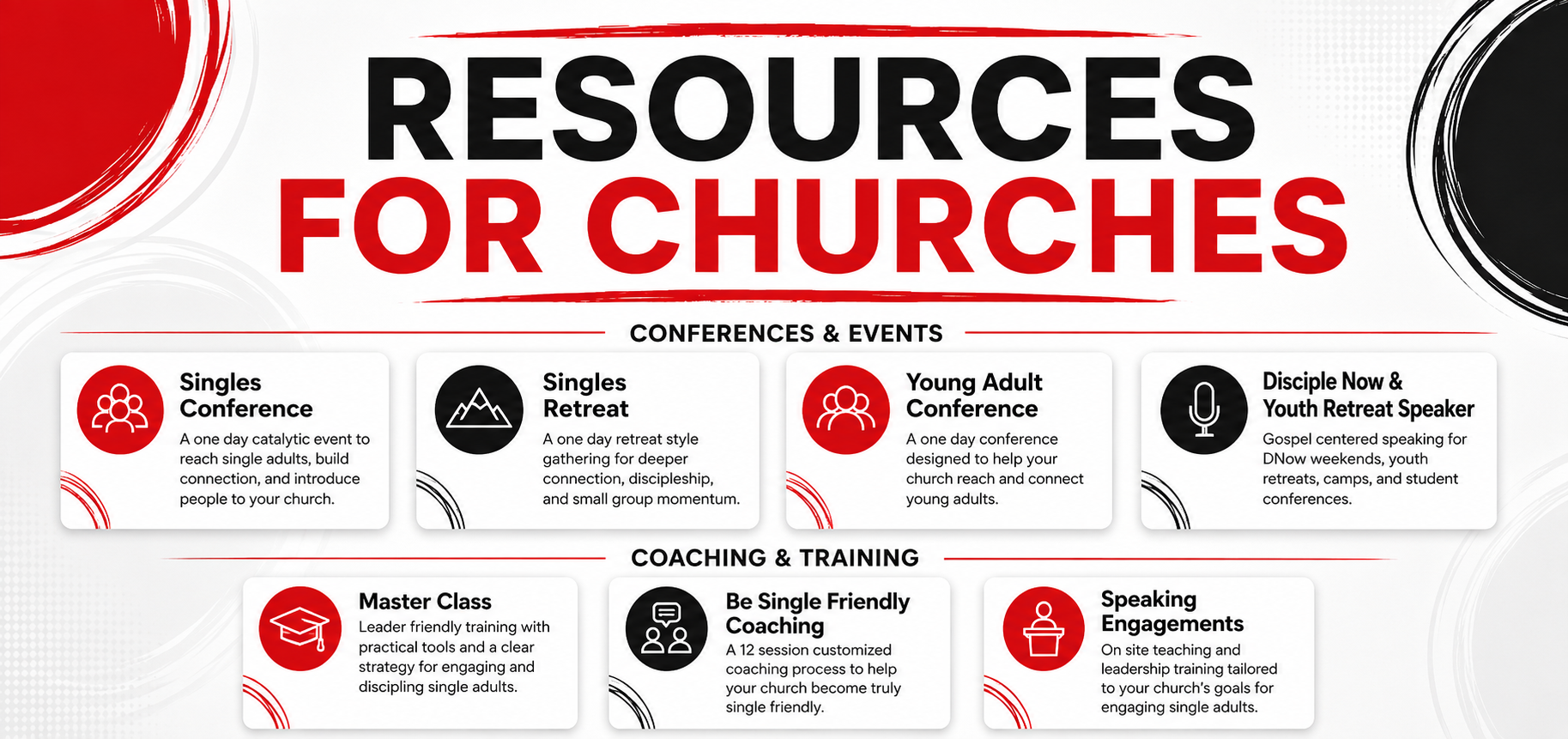
Explore our single adult ministry resources for churches for help developing leaders and building community through discipleship. You can also find practical encouragement on the Table for One Ministries blog.
FAQ: About singles ministry leadership
What qualities make a good singles ministry leader?
Look for biblical faithfulness, humility, reliability, care for people, and a willingness to receive correction. Choose leaders who support the church's mission and can address disagreement respectfully, not simply people who are popular or available.
Should small group co-leaders have similar personalities?
Not necessarily. Different strengths can serve a group well. Prioritize shared beliefs, compatible expectations, dependable communication, and mutual respect. Observe people serving together rather than assuming friendship or a personality assessment guarantees a healthy partnership.
Should a coed singles group have male and female leaders?
I recommend a mature male and female team, with roles consistent with the church's biblical convictions. Both should demonstrate character and accountability. Mixed leadership is a ministry recommendation, not a guarantee that conflict will disappear.
Can married adults lead a singles ministry?
Yes, when they meet the church's leadership expectations and understand the people they serve. Being married does not automatically qualify someone, just as being single does not disqualify someone. Include single adults in meaningful leadership and decision-making.
How should churches lead singles groups for adults over 50?
Begin with discipleship and actual relationships, not age-based assumptions. Listen to never-married adults, divorced adults, widows, widowers, and single parents. Clarify the group's purpose while making room for different experiences, responsibilities, and interests.
Should people be interviewed before joining a singles small group?
Follow the church's published group guidelines. An open Bible study should not acquire an unofficial approval process. A defined cohort or recovery group may have appropriate enrollment requirements, but those should be established and explained beforehand.
What should I do when my small group co-leader will not communicate?
Request a direct conversation and explain the specific concern without assuming motives. If reasonable attempts receive no response, involve the supervising pastor or staff member. Avoid recruiting group members to take sides.
Should a singles ministry focus on Bible study or social activities?
Keep discipleship central and use fellowship to support it. Plan Bible engagement, prayer, meaningful relationships, and opportunities to serve. Evaluate activities by whether they support the group's purpose rather than treating fun and faith as opposites.
Is every disagreement in a church small group sinful?
No. People can disagree about preferences or misunderstand expectations without sinning. Address those differences clearly. When pride, dishonesty, gossip, or deliberate mistreatment is present, address the behavior biblically rather than calling everything a personality conflict.
How can a church rebuild after a singles group shuts down?
Care for members first, address unresolved leadership issues, and clarify what must change. Provide another way to connect while leaders assess the next step. Do not assume reopening the same structure will resolve the original problem.