
- Church Response to Loneliness -
Loneliness Epidemic in America
Understand the research on loneliness and social isolation, then take practical steps to help people find friendship and belonging in your church.
Loneliness, Isolation, and the Need to Belong
People can sit in a full sanctuary and still wonder whether anyone knows them. The church has an opportunity to offer the kind of friendship that continues after the service ends.
Loneliness is the distress of feeling that our relationships fall short of the connection we need. Social isolation means having limited relationships or contact with others. Living alone describes a household arrangement; it does not tell us whether someone feels lonely. U.S. Surgeon General, 2023.
These distinctions help us care for people without making assumptions about their age, family, or marital status.
What the Research Shows
The 2023 U.S. Surgeon General’s advisory drew on earlier studies in which roughly half of American adults reported loneliness. That is context for the advisory, rather than a new 2026 estimate.
- Poor social relationships were associated with a 29% higher risk of heart disease and a 32% higher risk of stroke.
- Chronic loneliness and social isolation were linked with about 50% higher dementia risk in older adults.
- The comparison with smoking up to 15 cigarettes a day concerns premature mortality risk, rather than identical health effects.
These are research associations, not predictions of what will happen to an individual. Read the U.S. Surgeon General’s 2023 advisory, pages 8, 26, and 28 →
Young Adults Need Relationships That Last
Research summarized in the 2023 advisory found that time with friends fell by about 70% among Americans ages 15–24 between 2003 and 2020. U.S. Surgeon General, 2023.
For a church, that raises a practical question: where can a young adult build friendships that continue beyond an event? Consistent gatherings, shared meals, and relationships across generations give people opportunities to be known.
Explore our young adult ministry guide and Young Adults 18+ research and resources.
Make Room for Single Adults
Singleness is not a diagnosis of loneliness. A person who has never married, a single parent, someone who is divorced, and a widow may have very different relationships and needs. Listen to their stories before deciding what ministry should look like.
Consider who receives a personal invitation, who has someone to sit with, and whose gifts are invited into leadership. Belonging grows when people are included in the ordinary life of the church.
Use our single adult statistics guide for clearly labeled demographic research, then explore ways to welcome and disciple single adults.
Are We Prepared for People or a Program?
Attendance tells us who came. Relationships help us learn who is struggling, who has something to offer, and who has been missing. A crowded calendar cannot do that work for us.
In Luke 19, Jesus called Zacchaeus by name and went to his home. That encounter invites us to notice the person who is easy to overlook. Learn a name, make a specific invitation, and follow through when someone shares a need.
Ask your leaders where a person who arrives alone can find friendship beyond Sunday morning. Then walk through that experience with someone who is new to your church.
A Biblical Picture of Friendship
In Mark 2:1–5, friends carried a paralyzed man to Jesus and made a way through the roof when the crowd blocked the door. Their care cost time and effort. It is a picture worth bringing into our everyday relationships.
Galatians 6:2 calls believers to carry one another’s burdens. Romans 12:15 calls us to rejoice with those who rejoice and weep with those who weep. Sometimes that looks like celebrating a new job. Sometimes it means showing up after the funeral, when the house is quiet and everyone else has returned to their routine.
We do not have to have an answer for every hurt to be present with someone. We can listen, pray, and keep showing up.
Practical Ways Your Church Can Build Connection
Offer a personal invitation
Invite someone to sit with you, share a meal, or join a group. Explain what to expect and offer to meet them at the door.
Create a dependable rhythm
A regular meal, Bible study, or shared activity gives friendship time to grow. Choose something people can return to and leaders can sustain.
Follow up with care
Reach out when someone is absent or facing a difficult season. Ask how they are doing without making them feel monitored or pressured.
Make participation possible
Ask about transportation, childcare, accessibility, cost, and scheduling. A welcoming invitation helps more when a person can realistically accept it.
Know when more support is needed
Friendship and pastoral care matter. When someone needs mental health care, help them connect with a qualified professional while continuing to care for them as a person.
For help putting these steps into practice, explore church coaching or talk with our team.
Questions About Loneliness and Church Life
Does being single mean someone is lonely?
No. Marital status does not tell you whether someone has close friendships or feels connected. Ask about the person’s experience and make room for the relationships they value.
Can someone feel lonely while attending church?
Yes. Being present in a room does not always mean feeling known. Personal friendships, meaningful participation, and thoughtful follow-up help a congregation offer more than a place to attend.
What can I do this week for someone who feels alone?
Begin with one specific invitation and enough time to listen. Share a meal, take a walk, or ask how you can help. Keep your promises and continue the friendship after the first conversation.
Where can I find the original research?
The 2023 U.S. Surgeon General’s advisory includes definitions, findings, and references to the underlying studies. Our statistics guide provides additional demographic context.
Keep the Conversation Going
Friendship grows through ordinary acts of care repeated over time. These resources can help you think about the next person and the next step.
Be a friend worth having
Consider the habits that make room for meaningful Christian friendship.
Loneliness after losing a spouse
Find gentle encouragement for grief and the changing shape of everyday life.
Coping with loneliness
Explore practical encouragement for taking a step toward connection.
For a group resource, explore Embrace the Table. For widows and widowers, Hope for Widows offers Scripture and reflection without a timetable for grief.
- Let's Connect! -
Addressing Loneliness in the Church
You do not have to address this crisis alone. And neither do the people in your church.
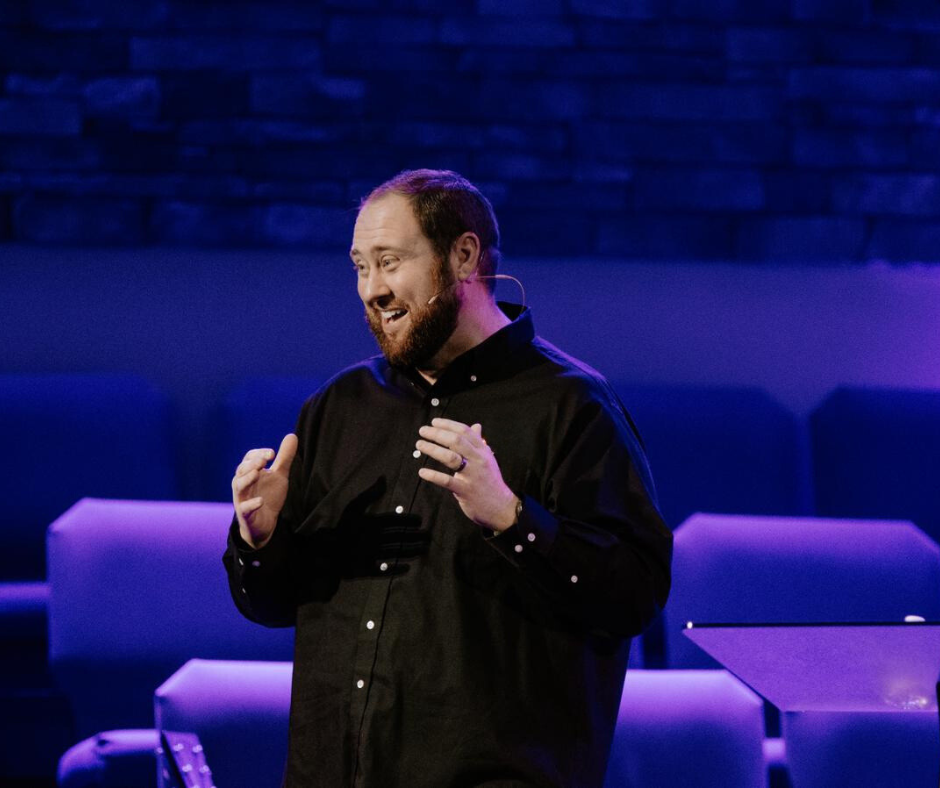
DR. PJ DUNN
Minister, President, & Founder est.2013
Adjunct Professor NOBTS ProDoc Program
Senior Consultant for Revitalization, GBMB
Author w/ Lifeway Christian Resources
20+ years serving the local church
- Our Founder -
Dr. PJ Dunn
Dr. PJ Dunn is passionate about reaching and equipping single adults through discipleship. As an advocate for singles, he travels nationally, speaking, coaching, and creating content for singles and the local church. Table for One Ministries was created in 2013 to build community for single adults through discipleship. With 20+ years serving the local church, PJ now serves as Senior Consultant for Revitalization with the Georgia Baptist Mission Board, helping churches make disciples and reach their community. He is an adjunct professor at New Orleans Baptist Theological Seminary and author with Lifeway Christian Resources.