
Embracing Singles in the Church Community


You did it! You got up, went to church, and slipped into a seat just as worship started. As you find your place, you’re careful not to intrude on what might be a family’s designated space or interfere with someone’s saved seats. After all, finding the right spot can feel like a game of strategic placement, especially for singles who might already feel a bit out of place in a family-oriented environment.
Worship begins, and you start to let your guard down, finding solace in the familiar rhythms of praise. But then it happens—the moment that can trigger anxiety for many: the time for greeting. In what’s intended to be a warm, welcoming gesture, this brief moment often serves as a stark reminder of the challenges singles face in the church. For many singles, and even introverts, this is where anxiety peaks. The simple act of a handshake might be pleasant, but it doesn’t quite fill the deeper need for connection and recognition.
Being seen is not the same for a single adult as receiving a handshake. The way we communicate from the pulpit, the sermon illustrations we choose, and the activities we promote either include or exclude single adults. In a society that is increasingly recognizing the diverse makeup of its population, the church must also evolve in how it engages with its single members. Single adults don’t just want a handshake; they want to be seen, acknowledged, and integrated into the fabric of the church community.
Singles and the Church’s Role
The U.S. Census Bureau reports that over 53% of adults in America are single. This statistic reflects a significant shift in societal norms, with more adults choosing to remain unmarried or experiencing extended periods of singleness. As the church, we are responsible for recognizing this demographic and addressing the unique challenges singles face.
Yet, despite the growing number of single adults, many churches still focus heavily on family-oriented ministries. While these ministries are crucial, they often inadvertently alienate singles. When church announcements, sermon illustrations, and activities primarily cater to families, singles can feel like they’re on the periphery, looking in. This can exacerbate feelings of loneliness and exclusion, particularly during church gatherings emphasizing community.
In Colossians 2:10, the apostle Paul reminds us that we are “complete in Christ.” This profound truth speaks to every believer, regardless of their marital status. Our identity and worth are not found in our relationship status but in our relationship with Christ. For singles, this is a critical message. The church must emphasize that being single is not a state of incompleteness but a valid and valuable stage of life where one’s primary identity is in Christ.
However, while singles can find their completeness in Christ, this does not negate their need for community. Human beings are wired for connection, and the church is called to be a place where every member is seen, valued, and known. The fleeting handshake during a service is not enough to foster meaningful relationships. The church must go beyond structured, surface-level interactions and create spaces where singles can truly belong.
Building a Single-Friendly Church
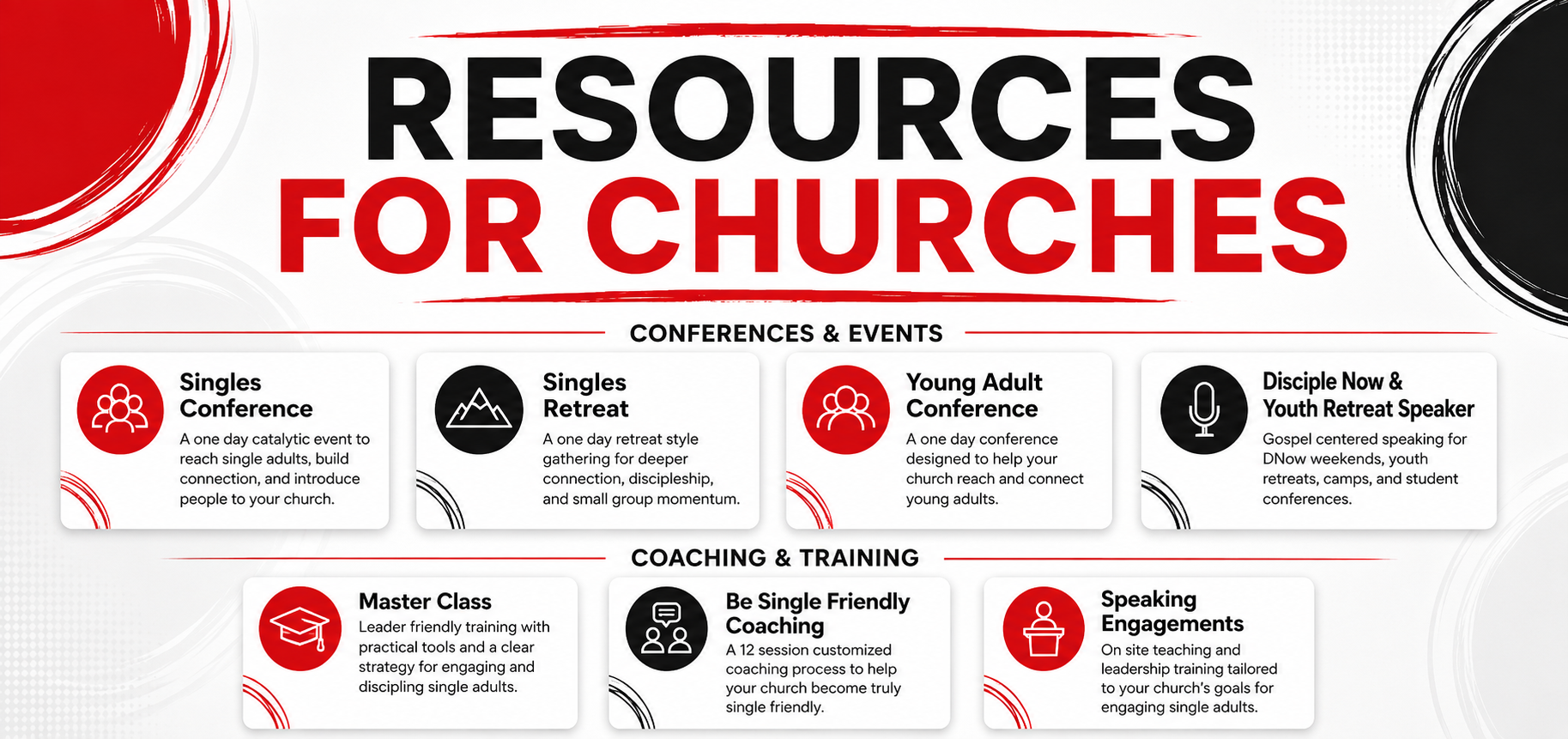
So, how can your church become more single-friendly? It starts with awareness and intentionality. Here are a few practical steps:
Inclusive Communication: Ensure that the language used in sermons, announcements, and church literature reflects the diversity of your congregation. Use examples and illustrations that resonate with singles as well as families.
Community Groups: Develop small groups that include singles, or even better, create groups specifically for singles to connect with others in similar life stages.
Leadership Representation: Include singles in church leadership roles. This gives them a voice and helps the church better understand and meet the needs of its single members.
Events and Activities: Plan events that are welcoming to all, not just families. Whether it’s a church picnic or a service project, make sure singles feel as invited and involved as families. Also, don’t forget that 40% of all families are single-parent households.
Intentional Outreach: Be proactive in reaching out to singles. Whether through personal invitations to join a group or checking in with them during the week, show them they are valued members of the church family. Singles need spaces to gather. Consider doing activities as a way to connect them to discipleship.

Intentionality to Reach Singles
The question for every church is how will you respond to the reality that over 53% of your community is single? How will you ensure that your church is a place where singles feel seen, valued, and complete in Christ?
By taking intentional steps, your church can move beyond the handshake and truly embrace singles, creating a community where everyone is known and loved. In doing so, you will fulfill your calling to minister to all and enrich your church with the unique gifts and perspectives that singles bring. Let’s strive to be a church that reflects the fullness of Christ’s love, where every single or married member can find their place and know they are complete in Him.